.png)

About Us
Zero Horizon develops structural analysis for complex systems.
We identify the contradictions, dynamics, and patterns that conventional thinking overlooks. Through case studies, consulting, and community building, we help researchers, organizations, and leaders navigate oversaturation and fragmentation without oversimplifying the challenges they face.

Zero Horizon is not a university, journal, consultancy, art collective, or think tank in the conventional sense, although it may borrow something from each. It is better understood as an experimental knowledge ecosystem: a space in which researchers, students, artists, writers, and practitioners can test ways of producing, circulating, and applying knowledge without submitting it to academic closure or market-ready simplification.

Who's afraid of the hybrid?
The problems of our time—organizational dysfunction, systemic fragility, knowledge fragmentation—share common structural dynamics. Expansion without integration. Acceleration beyond absorption capacity. Layer desynchronization. The lack of pattern recognition across domains.
We make these dynamics visible and navigable using an epistemological framework inspired by the dialectic, systems thinking and philosophy of Science. We use connectivist and symbolic AIs to support data processing and visualisation.
Why playing in the Hybrid narrative? Because we'd rather be cyborgs than godesses. (Haraway, 1985)


What we hold to
01
Excellence
Publishing rigorous, synthetic work that integrates rather than fragments.
02
Relevance
Attempting to answer today's pressing challenges rather than producing hyper-specialist work in a vaccum.
03
Independence
The ability to maintain autonomy and therefore integrity in our pursuits.

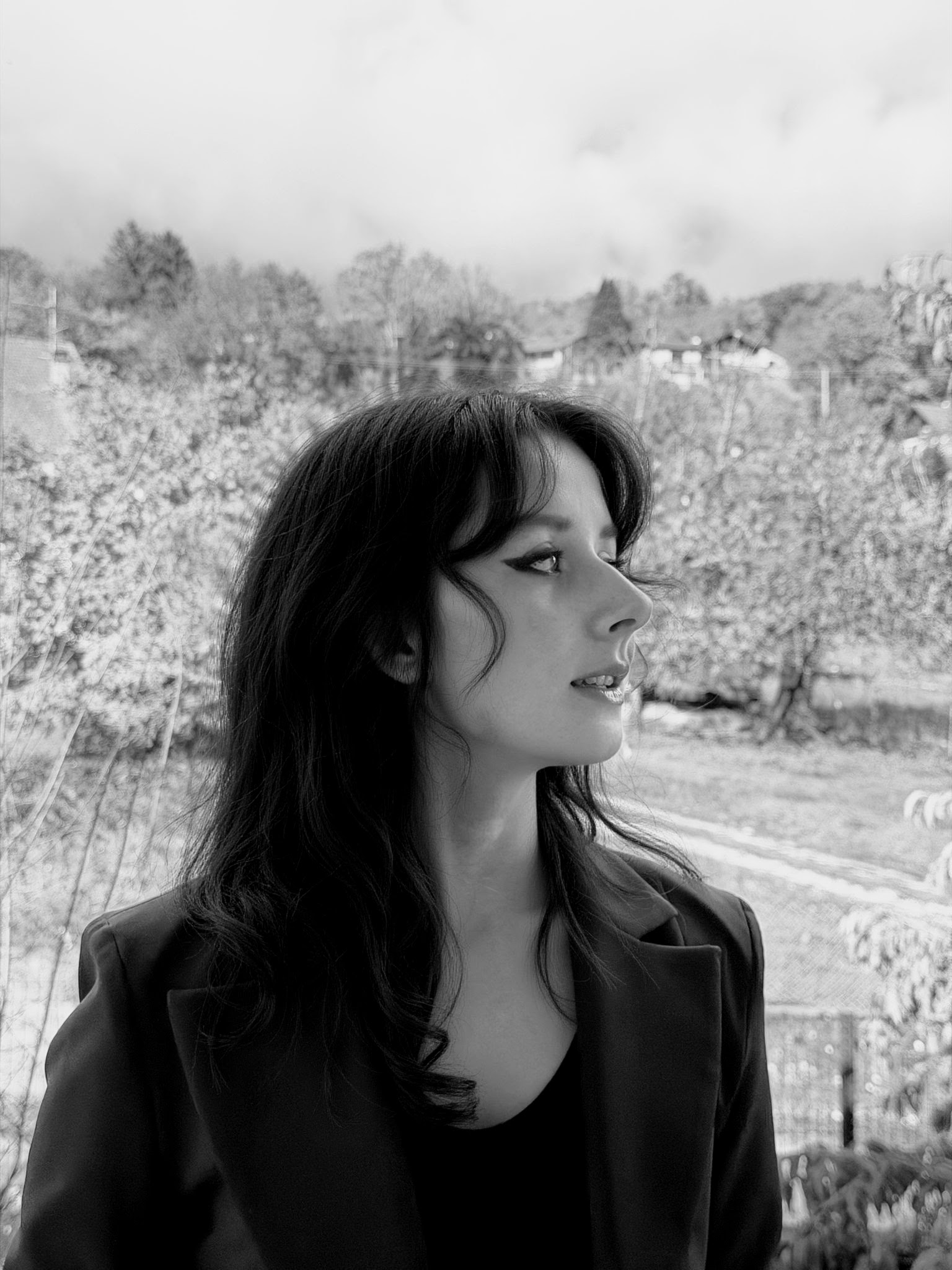
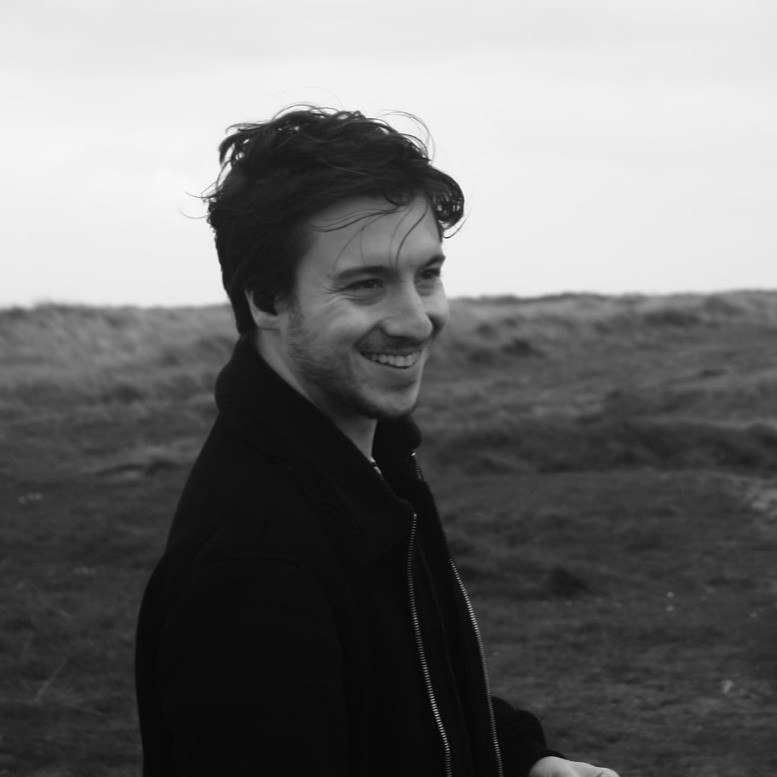
Photography by Mateus Martins Bruno
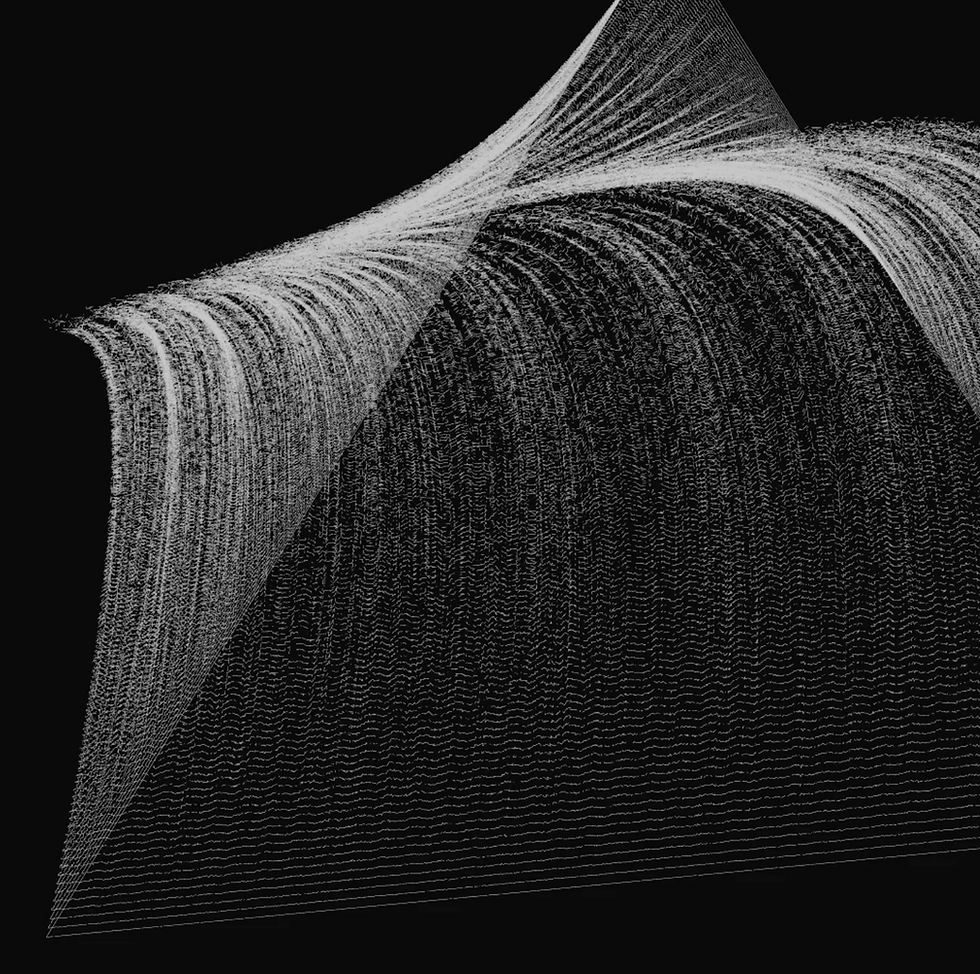
Artwork by Erfan Ashourioun
ZERO HORIZON
Developing an Infrastructure between
Mind and Machine
Discover the three blocks of our knowledge ecosystem.

Where the idea meets practical reality. The structural analysis, pointed at your specific problem, piloted by people trained to read it. The application of our framework in accordance with your needs.

Nice to meet you, we are...
ZH's Team




Artwork by Erfan Ashourioun
Our Academic Patrons
-
Prof. Elías José Palti (Argentina, University of Buenos Aires).
Fields: Intellectual History, History of Philosophy and History of Political Thought.
Subfields: Latin American Political and Intellectual History, History of Marxian Theory, Methodology in Intellectual and Conceptual History, Conceptual History of Libertarianism.
-
Prof. Alexandre Mendes Cunha (Brazil, Federal University of Minas Gerais).
Fields: History of Economic and Political Thought.
Subfields: Intellectual and Conceptual History of Germanic Cameralism, Portuguese, Spanish and Brazilian Political Economic Thought, British Economic Thought, and the Intellectual History of French, American and Latin American Development Economics.
-
Prof. Hugo E. A. da Gama Cerqueira (Brazil, Federal University of Minas Gerais).
Fields: History of Economic Thought, History of Philosophy and Marxian Theory.
Subfields: Marx's late writings, 20th Century Marxian Social Theory, Discoursive Constructivism in Economics, Medieval Philosophy.
-
Prof. Eric Helleiner (Canada, University of Waterloo).
Fields: International Political Economy and Global Intellectual History.
Subfields: Global Intellectual History of Neomercantilism, the Disciplinary History of International Political Economy, the Intellectual History of Bretton-Woods and Global Monetary Regimes.
-
Dr. Graham Finlay (Ireland, University College Dublin).
Fields: Political Theory and Human Rights.
Subfields: Migration Rights, Citizenship Theory and Systems, Global Justice, Cosmopolitan Theory, Ethics of Technology, Intellectual History of John Stuart Mill and Liberalism.
-
Dr. Alexa Zellentin (Ireland, University College Dublin).
Fields: Normative Political Theory and Indigenous Rights.
Subfields: Climate and Global Justice, Multiculturalism and Cultural Rights, Migration and Displacement Ethics, Responsibility and Liability Theory.
-
Dr. Vincent Durac (Ireland, University College Dublin).
Fields: Political Science, International Relations and Development Studies.
Subfields: Comparative Politics (with a focus in the Middle East and North Africa), Contentious Politics and Social Movements, Democratisation and Political Change, Political Islam and the Geopolitics of the Middle East.
-
Dr. Michele Bee (Italy, University of Salento, Marie Curie Fellow).
Fields: History of Political-Economic Thought and the Philosophy of Economics.
Subfields: Conceptual Genealogies of European Political-Economic Thought and the Origins of the Homo Oeconomicus, Moral and Political Philosophy in the History of Economic Thought (17th-19th Centuries), Ideational Studies on Economic Theory and its Impact, Methodology and Epistemology of Economics.
-
Franco 'Bifo' Berardi (Italy, Independent Thinker).
Fields: Critical Theory, Communication and Media Studies, Psychosocial Analysis, Semiotics, Cultural Theory.
Subfields: Media and Information Technology in Post-Industrial Capitalism, Autonomist Marxism and Political Activism, Psychoanalysis and Schizoanalysis of Capitalism, Cognitive Labour and Mental Health, Futurism, Techno-Determinism, Fascist Futurism, Accelerationism, Trans-Humanism, Absolute Nihilism.
-
Prof. Raymond Brassier (Lebanon, American University of Beirut).
Fields: Continental and Analytic Philosophy.
Subfields: Philosophical Realism, Speculative Realism, Non-Philosophy, Nihilism, Enlightenment Critique, Marxism, Methodological Naturalism and Rationalism, Critique of Phenomenology and Correlationism, 19th and 20th Centuries Critical Theory and Philosophy of Language.
-
Prof. Basile Zimmermann (Switzerland, University of Geneva).
Fields: Science and Technology Studies.
Subfields: Technology and Cultural Practices, Sound Studies and Music Technology, Ethnography, Area Studies (China and the Middle East), Digital and Social Media, Anthropology of Technology (agentivity of technoloical objects in shaping human practices), Digital Governance and Fact Checking.
-
Prof. Katarina Kolozova (USA-Netherlands-Austria-North Macedonia, School of Materialist Research).
Fields: Continental Philosophy.
Subfields: Non-Philosophy, Critical Theory, Speculative Realism, Radical Philosophy, Materialist Feminism, Critique of Post-Structuralism, Marxism, Non-Marxism and Radical Metaphysics of Socialism, Technocracy, Gender Studies.
-
Dr. Matthew McManus (USA, Spelman College).
Fields: Political Theory and the History of Political Thought.
Subfields: The Political Theory of Liberal Socialism and its Intellectual History, Analytical and Continental Approaches to Liberal Socialism, Intellectual History of Conservative and Reactionary Thought, especially Post-Modern Conservatism and Neoliberalism, Intellectual History of Egalitarianism and Social Justice Movements, Analytical Marxism.
-
Prof. Jonathan Rose (USA, Drew University).
Fields: Intellectual History and Book History.
Subfields: History of Reading Practices from the 17th Century to the present, Working-Class 'Bottom-Up' Intellectual History, Social and Cultural History of British
-
Prof. Jonathan Crary (USA, Columbia University).
Fields: Art History, Media Theory and Critical Theory.
Subfields: History and Philosophy of Vision and Perception, Attention and the Modern Observer, Nineteenth-Century Visual Culture and Optical Technologies, Critique of the Digital Age and Platform Capitalism, Temporality, Sleep and the Colonisation of Everyday Life, Spectacle, Television and Twentieth-Century Media. Systems, Contemporary Art Criticism. and American audiences, Education History and the History of Learning Institutions and Practices.